Best Time to Visit Kenya for Safari: What to Know Before You Pick a Month
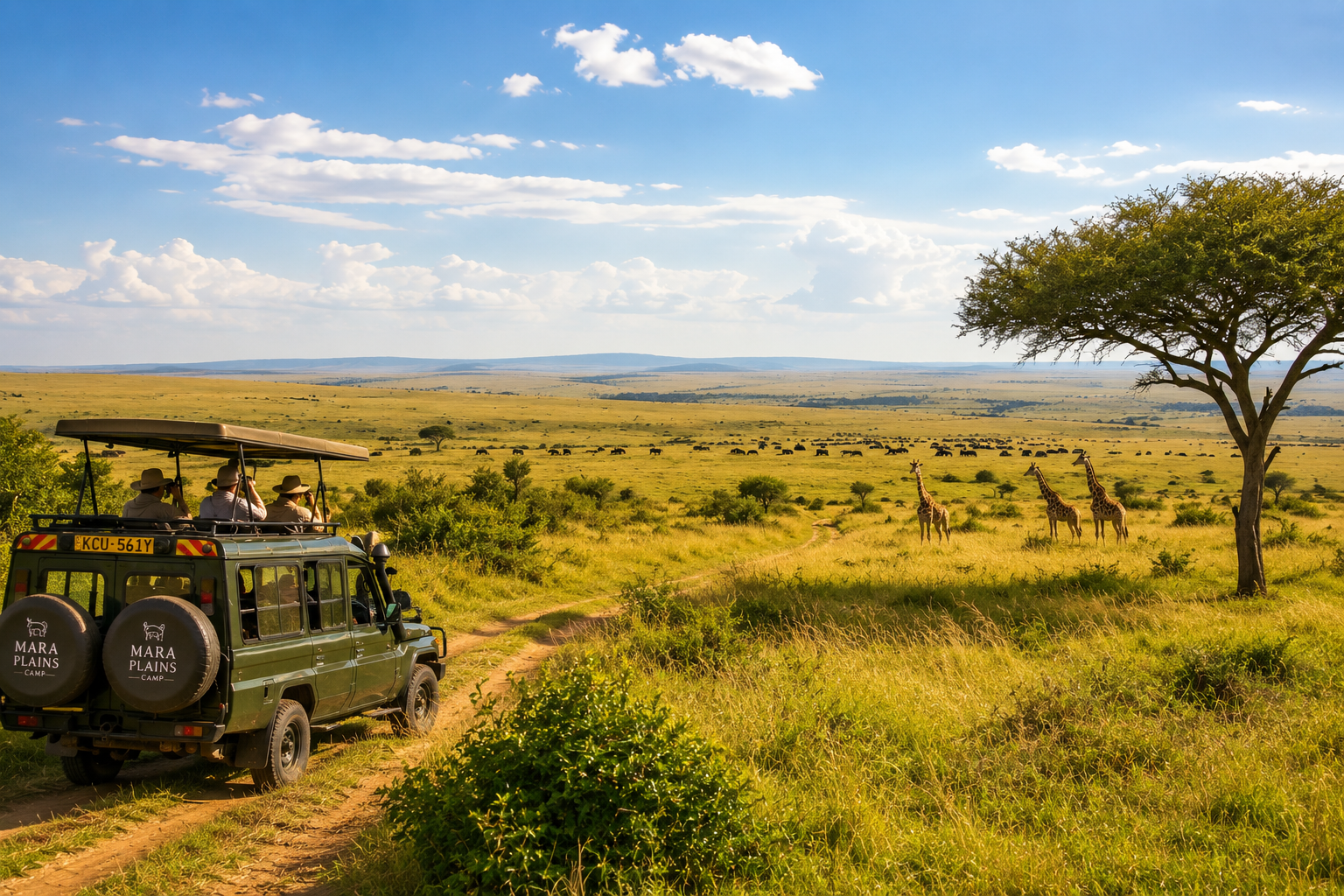
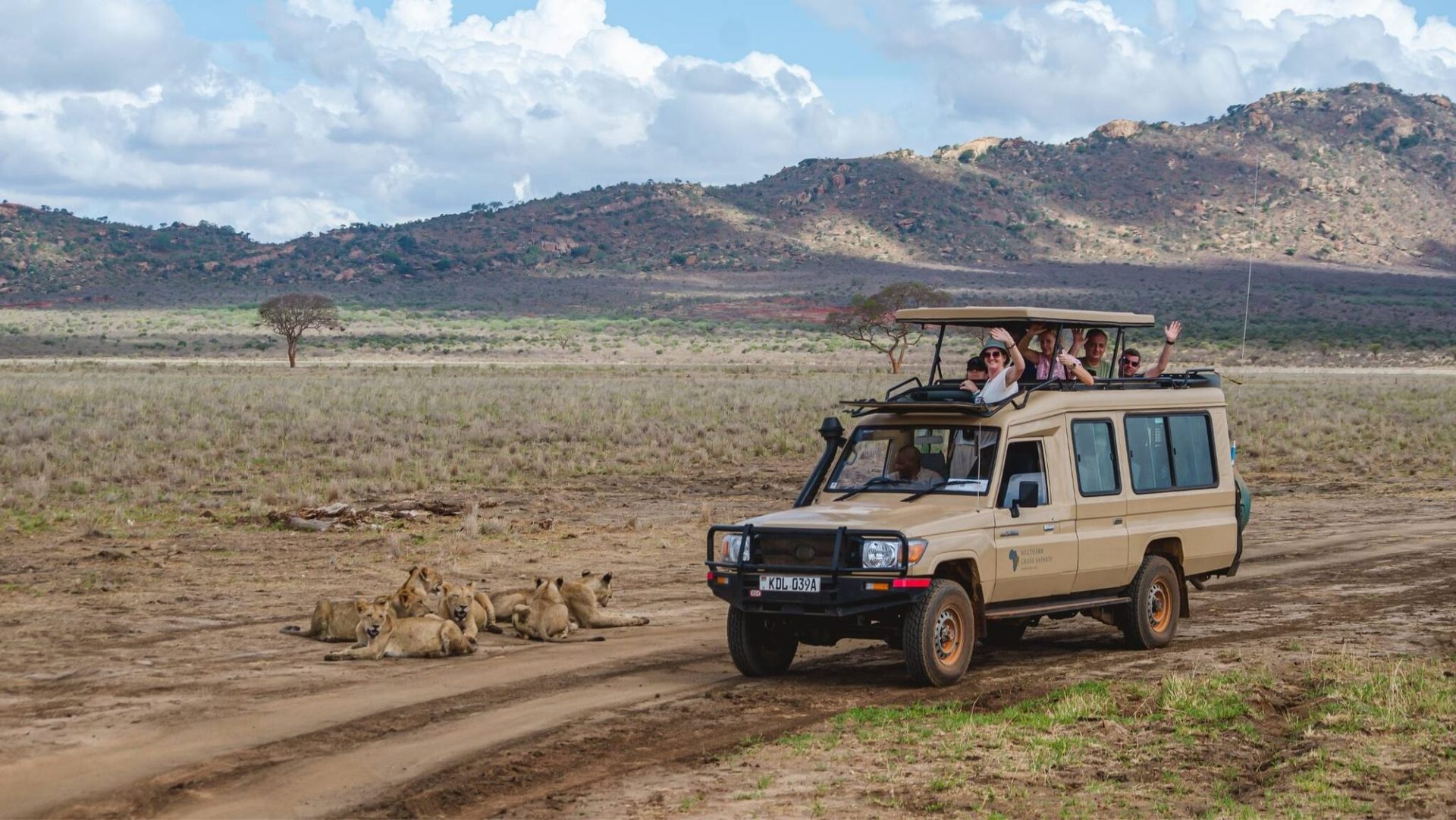
Kenya is one African destination that every first-time traveler seems to have already an opinion about before they've even booked a flight. The endless plains, the big skies, and the chance to see lions, elephants, and giraffes up close make it feel like a dream come true. But one question always comes up when people start planning: when is the best time to visit? Many will hear about the famous Mara River crossings, or see the photos of a lion walking past a jeep at sunrise, and just like that, August becomes the plan. It's a good plan. It's just not the only one — and for a lot of travelers, it's not even the best one.
Here's what we tell our guests instead: the best time to visit Kenya for safari depends on what you actually want out of the trip. Want to experience the migration? Travel in peak season and pay for it. Want almost the same safari experience for a lot less money and far fewer vehicles at every sighting? Travel in the low season. This guide breaks down what each month actually gives you, so you can pick the one that fits you — not just the one everyone else picks.
So, What's the Short Answer?
If you want one answer: The dry seasons are usually best. June to October brings the Great Migration and excellent game viewing. If you're flexible, January and February offer nearly the same experience — dry weather, excellent game viewing, fewer people — for noticeably lower costs.
Understanding Kenya’s Seasons and Wildlife Rhythm
Forget spring, summer, autumn, winter. Perched in Equatorial Africa, Kenya runs on rain. There are two rainy seasons and two dry stretches in between, and that's really all you need to know:
- Long dry season: June to October
- Short dry season: January and February
- Long rains: March to May
- Short rains: November and December
Most of the country's safari parks sit at 5,000 to 7,000 feet above sea level, so even though Kenya sits almost on the equator, mornings are cool and afternoons are warm rather than sweltering. Pack a fleece for the early game drives, whatever month you go.
Why Choosing the Right Time Matters So Much
The season you pick shapes everything — what you see, how much you pay, and how relaxed your safari feels.
In the dry months, wildlife viewing is at its easiest. The bush thins out, waterholes shrink, and animals gather in the open. That’s the big advantage. The downside? Everyone knows it. These months are the busiest and most expensive.
- The Great Wildebeest Migration
This is also when the Great Wildebeest Migration transforms the Maasai Mara. Around 1.5 to 2 million wildebeest, zebras, and gazelles move between Tanzania and Kenya. They usually arrive in July and stay through October, with the most dramatic river crossings — dodging crocodiles in churning water — peaking in August and September.
Shoulder and green seasons offer a completely different, often more personal experience. The landscape turns lush and vibrant, wildflowers bloom, and the parks feel quieter. Prices commonly drop 30–40%. You’ll see plenty of newborn animals and exploding birdlife. In our years of guiding families, couples, and solo travellers, many say these calmer months create the memories they talk about most.
Important Tip: Since 2024, the Maasai Mara has charged non-resident adults $200 per day in high season (July–December) and $100 per day in low season (January–June). This is a government park fee, per person, per day — on top of your accommodation. Choosing the right month can literally cut this major fixed cost in half before you even book your lodge.
Kenya, Month by Month
|
Months
|
Season
|
What
You’ll See
|
What
to Know
|
|
June–October
|
Long
Dry (Peak)
|
Great
Migration in Maasai Mara, river crossings (Aug–Sep), excellent wildlife
across all parks
|
Highest
prices & busiest. Book 6–12 months ahead. Best for big herds &
action.
|
|
January–February
|
Short
Dry (Shoulder)
|
Strong
resident wildlife, predators active, clear views (especially Amboseli)
|
Great
value, fewer crowds. Warm & dry. Excellent all-round safari time.
|
|
November–December
|
Short
Rains (Shoulder)
|
Lush
green landscapes, beautiful light, active resident animals & birds
|
Short
afternoon showers. Good deals. Avoid peak Christmas week for lower rates.
|
|
March–May
|
Long
Rains (Low)
|
Vibrant
green scenery, newborn animals, and top birdwatching
|
Cheapest
time. Heavier rains, taller grass, and some roads are tricky. Best for budget &
photography.
|
June to October – The Classic Peak Season
This is when most travellers come for the Great Migration. The Maasai Mara becomes a busy but breathtaking stage. You can watch dramatic river crossings and see predators following the herds. Roads are good, skies are clear, and game drives are very productive. It is the busiest time, so book your camp early.
January to March – Warm, Dry and Peaceful
Many of our guests love this period. The weather is warm and sunny. Resident animals like lions, elephants, and leopards are easy to find. Amboseli offers stunning views of Mount Kilimanjaro on clear days. Crowds are much lighter than in July, and prices are more reasonable. It is a wonderful time for photography and first-time visitors.
November to December – Short Rains and Fresh Beauty
The short rains usually bring quick afternoon showers. The landscape turns bright green, and wildflowers appear. Migratory birds arrive, and you may see baby animals. Lodges often have good offers, making it easier on the budget. Many days are still perfect for game drives.
April to June – Green Season Value
This is the long rainy period. Some roads can be muddy, but the parks look incredibly beautiful. You will see lots of newborn wildlife and fewer tourists. Prices are at their lowest, which makes it attractive for longer trips or families. With the right vehicle and guide, you can still enjoy excellent safaris.
What Most People Get Wrong About Kenya Safari Timing
Many travellers arrive with a few common misunderstandings. Here’s the straight talk:
- The Migration doesn’t stay in Kenya all year. The herds are only in the Maasai Mara from July to October. They arrive, put on their show, and head back to Tanzania.
- Calving season is not in Kenya. The main wildebeest births happen in Tanzania in January–February. What Kenya offers in that same period is strong resident wildlife and plenty of newborn animals among local herds — still very special.
- Low season does not mean a poor safari. Kenya’s Big Five live here year-round. The quieter months simply mean fewer migratory herds and far fewer vehicles — often delivering more peaceful, personal game drives.
What Most Travellers Don't Know
Shoulder and green seasons are not just “cheaper” — they can be smarter choices.
The biggest saving often comes from the Maasai Mara park fee itself: $200 per person per day in high season (July–December) versus $100 in low season (January–June). That’s a fixed government fee before your lodge rate is even added.
Lodge rates in shoulder season (Jan–Feb, Nov) are typically 15–35% lower than peak, while during the low season (April–May) they can drop 30–50% depending on the camp. Always ask your operator for a direct comparison on the same property.
You don’t have to stick to the Mara. If the Migration isn’t your top priority, consider Amboseli, Samburu, Tsavo, or Lake Nakuru. These parks often deliver excellent Big Five sightings with lower fees, fewer crowds, and more breathing room, especially good value in the quieter months.
From years of guiding, the guests who return most often say January–February gives the best mix of great wildlife, comfortable weather, and that special feeling of having the bush to yourself.
Common Mistakes Travellers Make
- Thinking there is only one “best” month is the biggest mistake. Every season has its own magic.
- Booking too late for peak months means you miss the best camps or pay more.
- Not preparing for possible rain in shoulder seasons can make the trip less comfortable.
- Ignoring park-specific differences — what works in Maasai Mara may not be ideal for Samburu or Tsavo.
We always help guests avoid these problems by asking questions about their group, interests, and budget before suggesting dates.FAQs
What's the single best month to visit Kenya for a safari?
September. The migration's still in the Mara, weather's dry, crowds thin out a touch from August. Works well almost everywhere, not just the Mara.
When does the Great Migration reach Kenya?
Roughly July through October, then it's back to Tanzania. Kenya only gets the herds part of the year — the rest of the time, they're south of the border.
When do the Mara River crossings happen?
Late July through September, generally. Exact dates move with the rains, so no one can promise you a specific day.
Is it worth visiting during the rainy season?
Yes, for the right traveler. April and May mean the lowest prices, lush scenery, and strong birdlife. Roads get rough, some camps close, but a good guide still gets you great drives.
Does Kenya have a wildebeest calving season?
Not really — that's Tanzania's Ndutu region, January and February. Kenya's version: strong game viewing and plenty of newborn resident wildlife. Good, just different.
How much do prices actually change between seasons?
Peak (June–October) costs the most. Shoulder season (Jan–Feb, Nov) runs 12–35% below that. April–May can be 30–50% lower. Get a direct quote — averages only tell you so much.
What's the best time for families or first-time safari travelers?
January to March. Easy weather, strong wildlife, simple logistics. A low-stress way in, and you don't need to plan a year out.
Can I combine a Kenya safari with beach time?
Yes. Dry season pairs naturally with the coast — Diani, Watamu — since both are at their best when the parks are driest.
How far ahead should I book?
Six to twelve months for July–October. Three to six months cover you for the rest of the year.
The Bottom Line
Choosing the best time to visit Kenya for safari is about matching the season to your dreams. Whether you want the thrill of the Migration, peaceful game drives, or beautiful green landscapes at better prices, Kenya has something special in every season. The key is early planning and working with people who know the country well.
Our team has helped hundreds of travellers find their perfect timing. We would love to do the same for you. Contact us today, share your ideas and let’s start planning the Kenyan safari you will remember for the rest of your life. The plains are waiting — when will you go?