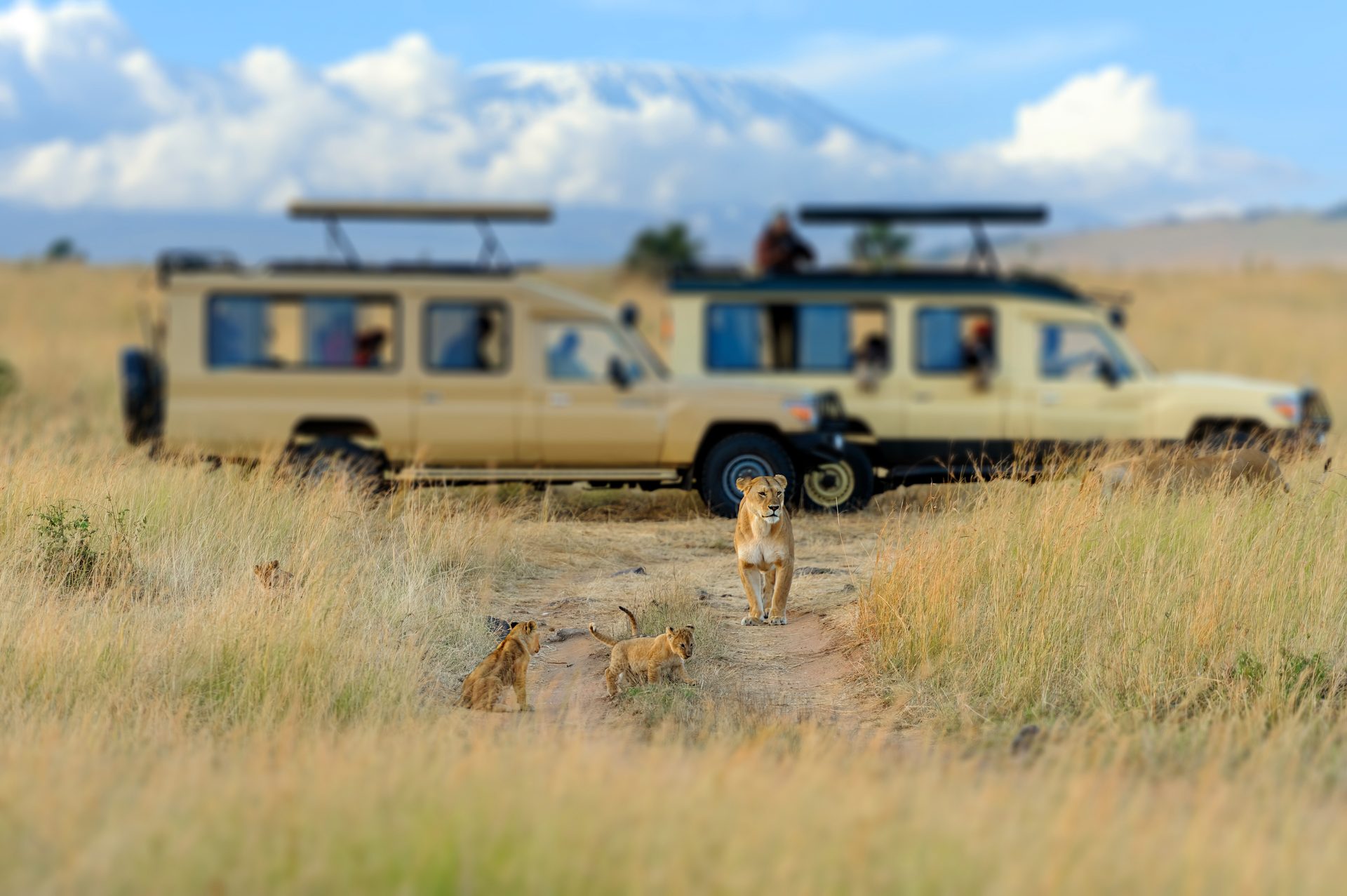
Tanzania · 5,895m
Mount Kilimanjaro
The highest point in Africa and the world's tallest free-standing mountain — a walkable giant crowned with retreating glaciers.
✦ To the Summit
The continent's great mountains — guided with rigour, supported in comfort, and paired with the safari of a lifetime.
✦ Mountain & Plain
There is a particular magic to standing on the highest ground in Africa — then descending to the savannah for sundowners and a soft bed under canvas. We design journeys that earn the view and reward it, marrying a serious ascent with the unhurried luxury of a great safari camp.
Every climb we arrange is privately led, properly paced and built around your fitness rather than a fixed schedule. From the glacier-crowned crater of Kilimanjaro to the equatorial moorland of the Rwenzoris, our guides know each route's moods — when to push, when to rest, and how to give you the very best chance of the summit.
And because the mountains of East Africa sit within reach of its finest wildlife country, a trek becomes a two-act story: the discipline of the ascent followed by the wonder of the plains. We handle the logistics, the porters, the permits and the transfers so that you arrive on the mountain rested, and leave it for a lodge that feels like a reward well earned.
✦ The Range
Five peaks that define mountaineering in East Africa — from the snows of Kilimanjaro to the misty Mountains of the Moon.
The highest point in Africa and the world's tallest free-standing mountain — a walkable giant crowned with retreating glaciers.
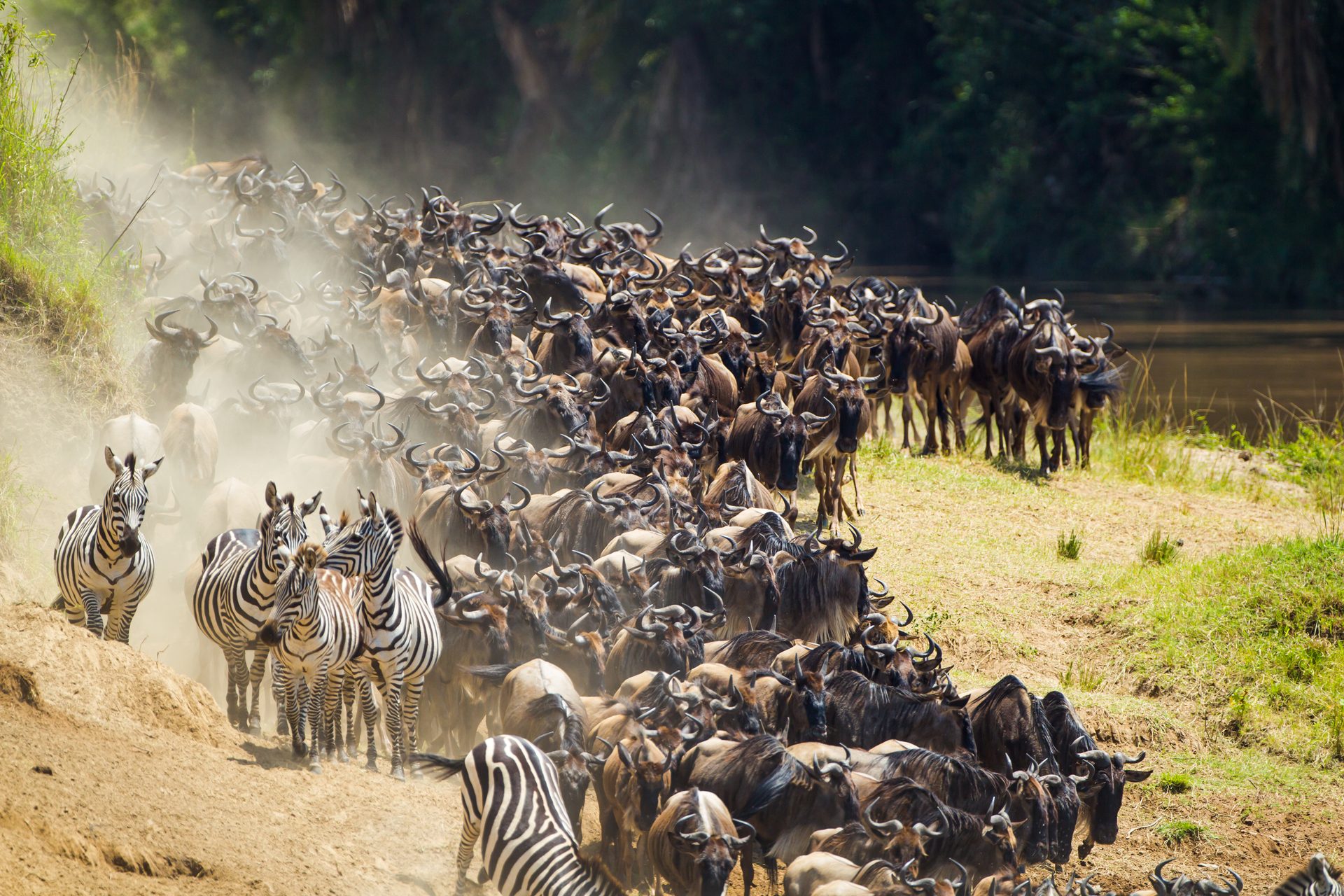
A jagged, technical massif of glaciers and alpine tarns — the trekking route to Point Lenana is among Africa's most rewarding.
The fabled "Mountains of the Moon" — a wilderness of glaciers, bog and giant lobelia, and one of Africa's most remote climbs.
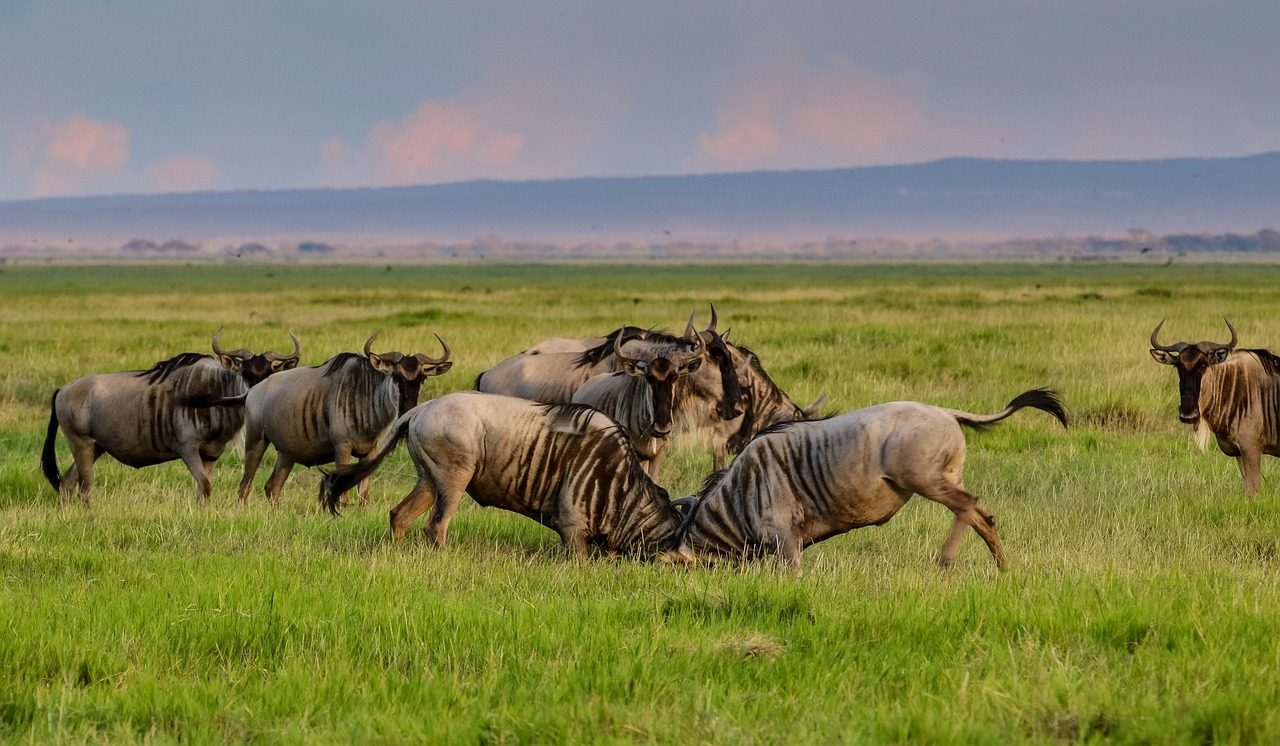
Kilimanjaro's elegant neighbour and the ideal acclimatisation climb — a dramatic crater rim walked alongside game.
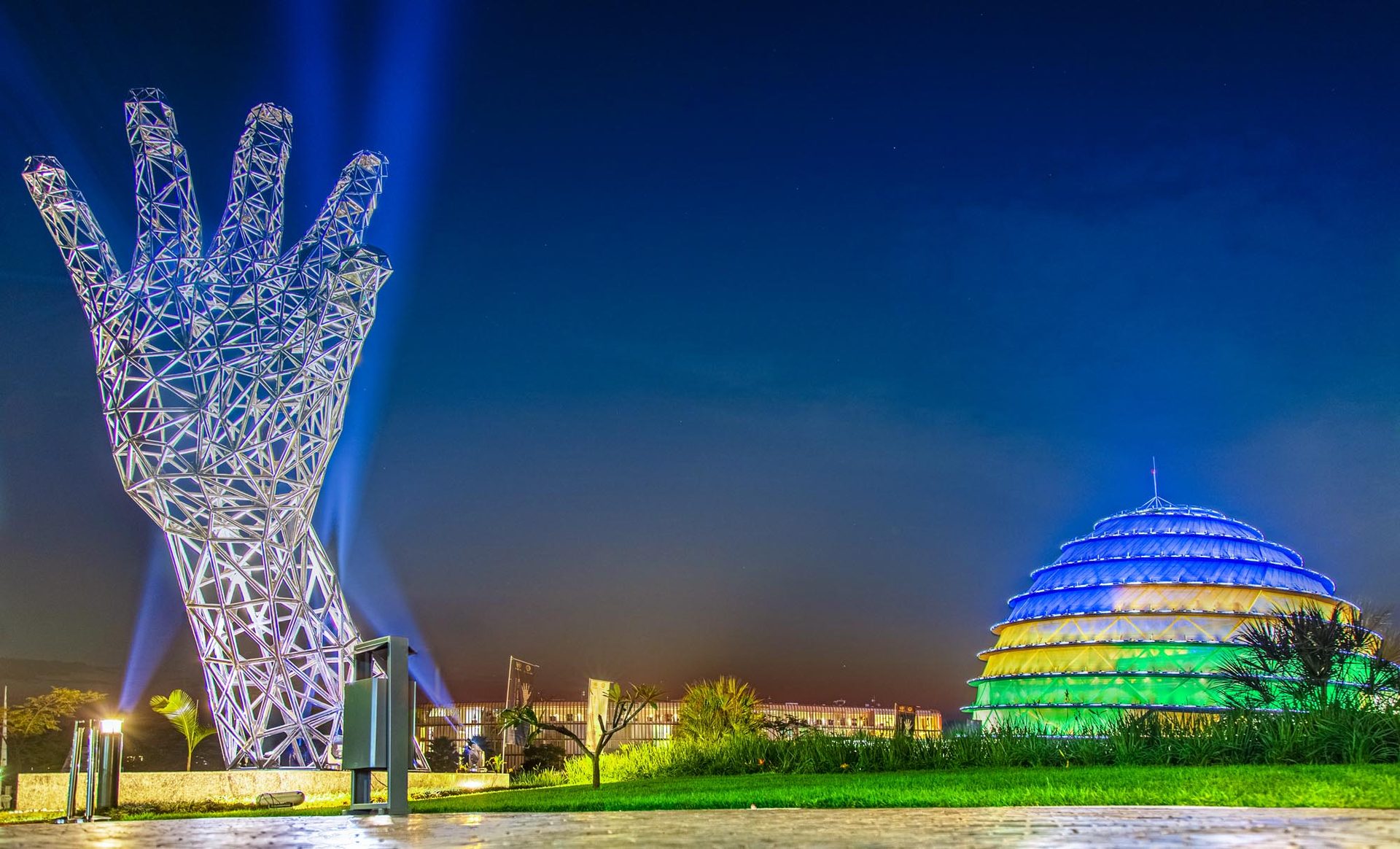
A chain of green volcanic peaks — Bisoke, Karisimbi and Muhabura — climbed amid the country of the mountain gorillas.
✦ Behind the Climb
A summit is won long before the final ascent. Every detail — from the route you take to the rhythm you walk it — is arranged to put the mountain within reach.
You climb privately, with experienced mountain guides and a full support team of porters and cooks who carry the load and set up camp ahead of you. We choose the longer, gentler routes that build acclimatisation properly, building in rest days and contingency so your body has time to adjust to the altitude.
✦ Plan the Ascent
Timing, expectation and preparation — the three things that shape a successful summit.
The clearest, safest windows fall from January to mid-March and from June to October. Skies are stable, paths are firm underfoot, and summit views are at their finest — book these months well ahead.
Expect long, steady days on foot and a single short, cold pre-dawn summit push. You'll pass through forest, moorland and alpine desert in a few days — packing layers for every climate on one mountain.
No technical skill is needed for the trekking routes, but good general fitness matters. With a few months of regular walking and cardio behind you — and a sensible pace — most determined travellers reach the top.
✦ Good to Know
The things travellers most often ask before they take to the mountains.
The trekking routes up Kilimanjaro, Mount Kenya and Mount Meru require no climbing technique — they are long walks at altitude. What helps most is general endurance, so we recommend a few months of regular hiking and cardio beforehand. Determination and a steady, unhurried pace matter as much as raw fitness.
Altitude is the single biggest factor in whether you reach the summit. That is why we favour the longer routes that build acclimatisation gradually and include rest days. Your guides monitor everyone daily, carry oxygen as a precaution, and follow a clear protocol. Choosing more days on the mountain markedly improves your chances of standing on top.
Your private climb includes park and conservation fees, certified guides, a full porter and cook team, all camping equipment and meals on the mountain, and transfers to and from the trailhead. We also arrange your pre- and post-climb accommodation. Personal kit, gratuities and travel insurance with high-altitude cover are arranged separately — we'll send a full checklist.
Almost everyone does — and we recommend it. The mountains sit within easy reach of East Africa's greatest wildlife country, so a Kilimanjaro climb pairs naturally with the Serengeti and Ngorongoro, while Mount Kenya leads on to the Maasai Mara. It is the ideal way to rest tired legs and round off the journey in comfort.