✦ Adventure · Kilimanjaro, Mount Kenya & the Rwenzori
Kilimanjaro & Mountain Climbs
Stand on the Roof of Africa, or trek the glacier-capped peaks of the equator.
✦ About the Experience
Kilimanjaro & Mountain Climbs
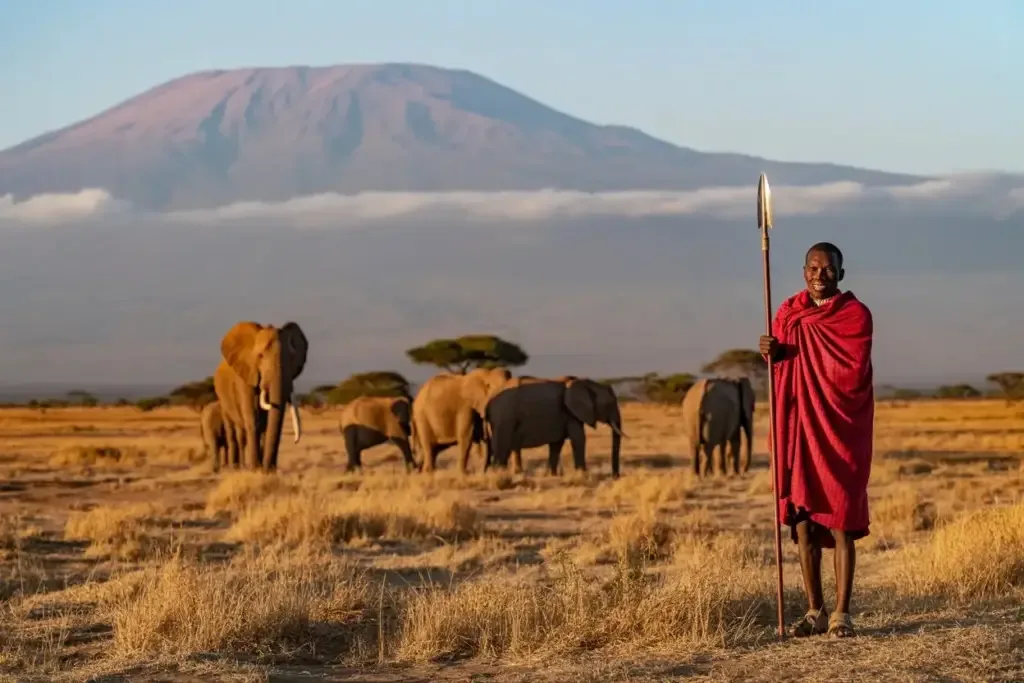
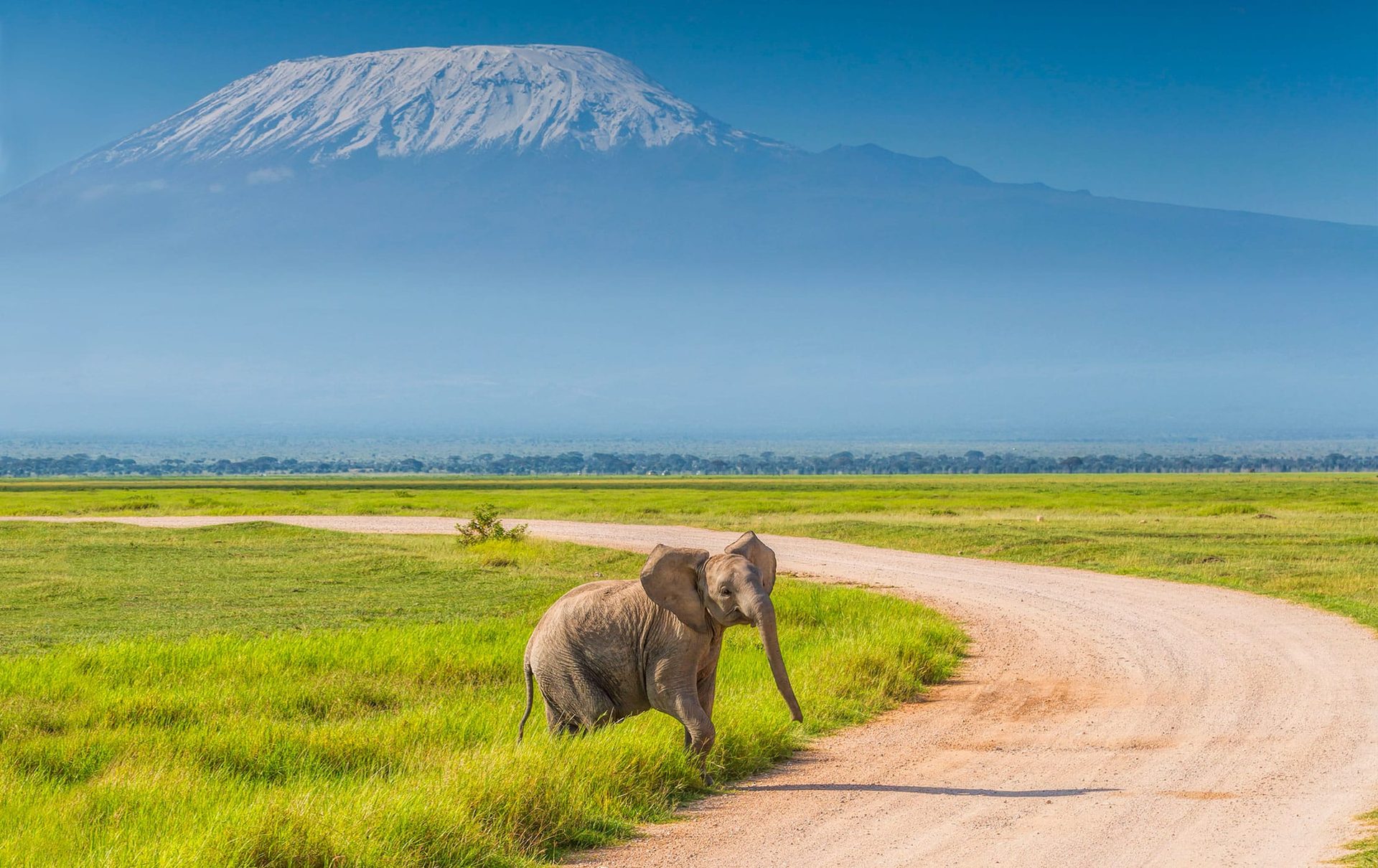
At 5,895 metres, Kilimanjaro is the highest mountain in Africa and the tallest free-standing peak in the world, and reaching its summit, Uhuru Point, is one of the continent's great achievements. Remarkably, it asks no technical climbing skill: it is a high-altitude trek rather than a climb, walkable by any determined and reasonably fit person who allows enough time to acclimatise. The mountain's real challenge is the thinning air, not the gradient.
Several routes lead to the top, each with its own character. The Machame route is scenic and popular; the Lemosho and Northern Circuit are longer, quieter and offer the best acclimatisation and therefore the highest success rates; the Marangu route uses huts rather than tents. Whichever you choose, the journey passes through a stack of climate zones, from rainforest through alpine moorland and high desert to the arctic summit, in the space of a few days.
Kilimanjaro is not the region's only prize. Mount Kenya offers superb trekking and, on its highest peaks, genuine technical climbing, while the remote Rwenzori, the fabled Mountains of the Moon, reward the adventurous with glaciers, weird giant vegetation and far fewer fellow walkers. Each is a serious undertaking deserving proper preparation.
Success comes down to pacing, hydration and acclimatisation above all, summed up in the Swahili mantra repeated by every guide: pole pole, slowly, slowly. We build itineraries with enough days to climb high and sleep low, giving you the best possible chance of standing on the summit.
Highlights
- Uhuru Peak, the Roof of Africa at 5,895m
- No technical climbing required on Kilimanjaro
- A choice of scenic, well-paced routes
- Five climate zones in a single trek
- Quieter alternatives on Mount Kenya and the Rwenzori
- Itineraries built for acclimatisation
Good to know
Do I need climbing experience for Kilimanjaro?
No technical experience is needed, as Kilimanjaro is a high-altitude trek rather than a climb. Good general fitness and adequate acclimatisation days are what matter most.
How long does the climb take?
Most routes take between six and nine days on the mountain. Longer itineraries improve acclimatisation and noticeably raise summit success rates.
What is the best time to climb?
The drier months of January to mid-March and June to October offer the most reliable conditions. The mountain can be climbed year-round, but the wet seasons are harder going.
How do I avoid altitude sickness?
Choose a longer route, ascend slowly, drink plenty of water and listen to your guides. The golden rule on every climb is pole pole, slowly does it.
✦ Gallery
See it for yourself