Kenya Safari for Beginners 2026/2027: Ultimate First-Timer's Guide to Parks, Costs, and What to Expect
Kenya is one of the best places on Earth to make that dream come true. With vast savannas teeming with the Big Five, dramatic landscapes, and warm hospitality, a Kenya safari for beginners doesn't get better than this. Picture yourself bouncing gently along dirt tracks at sunrise, spotting a pride of lions lounging under an acacia tree, or watching thousands of wildebeest thunder across the plains during the Great Wildebeest Migration. Kenya delivers that classic safari magic with incredible wildlife density, stunning open landscapes, friendly people, and a good mix of adventure and comfort.
Kenya is also one of the most established safari destinations in Africa, and for good reason. The infrastructure is excellent, the wildlife is extraordinary, the guides are experienced, and the range of options — from affordable group safaris to ultra-luxury private camps — is wider than almost anywhere else in Africa. That's exactly why it's such an ideal first safari destination.
In this comprehensive Kenya safari for beginners guide, written specifically for first-time safari-goers planning their Kenya adventure in 2026 or 2027, we cover everything you need: why Kenya is perfect for beginners, the best times to visit, top parks, where to stay, costs, and essential tips. With our expertise in bespoke East African safaris, we've helped hundreds of first-timers enjoy smooth, unforgettable experiences — and we'll help you plan yours too.
Why Choose Kenya for Your First Safari?
Kenya didn't become one of the world's most iconic safari destinations by chance — the country earned that reputation through incredible wildlife, excellent accessibility, and decades of experience welcoming visitors. It's precisely this combination that makes a Kenya safari for beginners so much less daunting than other African destinations.
What makes Kenya especially appealing for first-timers is how well it balances adventure with comfort. Parks are easy to reach, the guides are among the best-trained on the continent, and the infrastructure — from airstrips to camps — is designed to make your trip smooth and enjoyable, whether you're traveling at a mid-range or luxury level.
Here's what truly sets Kenya apart for a first-time visitor:
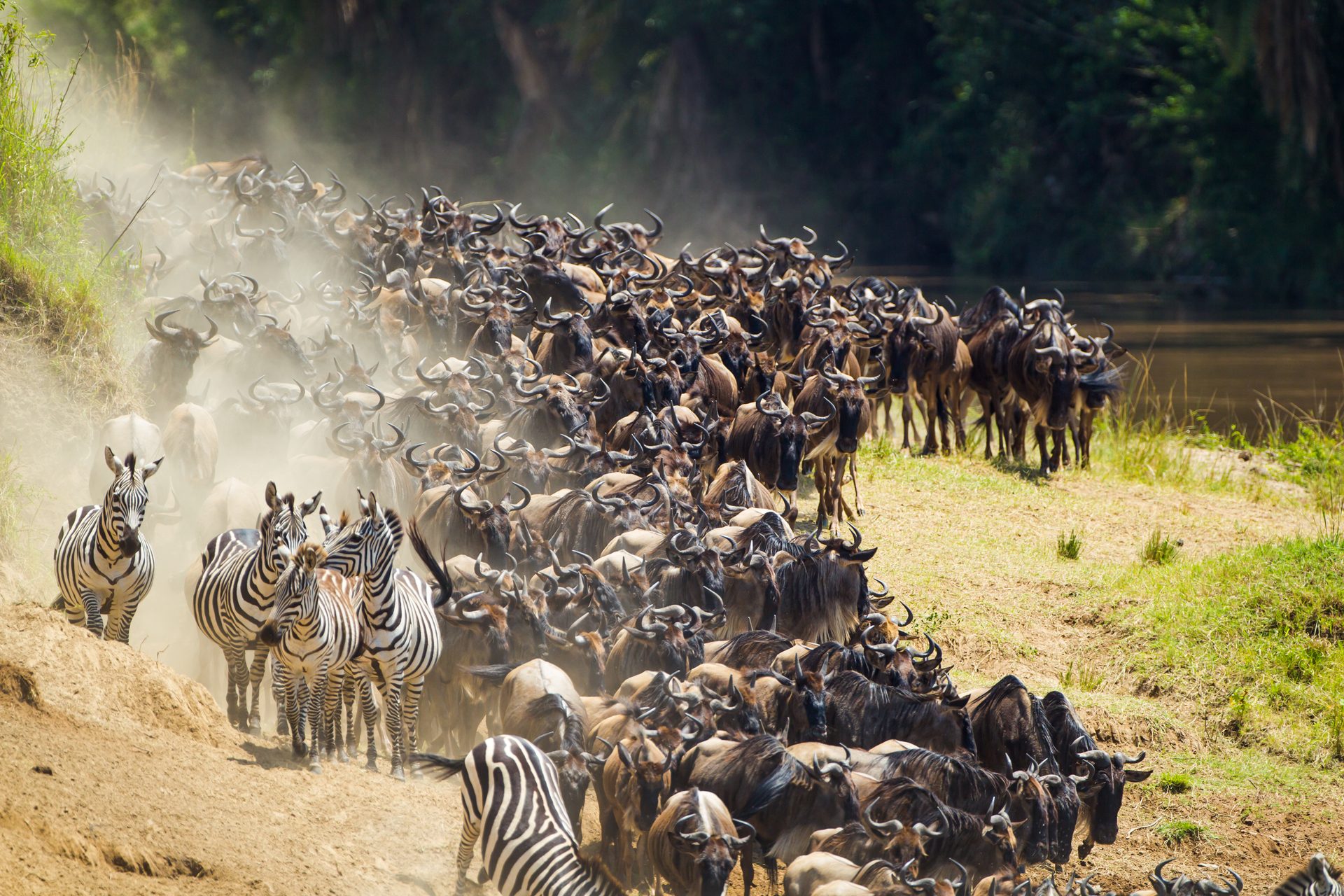
Every year between July and October, over 1.5 million wildebeest, along with huge numbers of zebras and gazelles, move from Tanzania's Serengeti into Kenya's Maasai Mara. Watching the dramatic Mara River crossings, with crocodiles waiting below and predators nearby, is one of the most spectacular wildlife events on the planet.
- Reliable Big Five Sightings
Kenya offers strong chances of seeing the famous African Big Five (lion, leopard, elephant, buffalo, and rhino). The Maasai Mara alone regularly delivers all of them, and combining it with parks like Amboseli or Lake Nakuru boosts your odds even further.
Head north to Samburu or Laikipia and discover animals you won't easily see elsewhere: the reticulated giraffe, Grevy's zebra, gerenuk, and Somali ostrich.
Nairobi serves as an excellent gateway with direct international flights from Europe, the Middle East, and beyond. From there, you can reach the Mara in just 45 minutes by light aircraft.
- Combined Safari and Beach Itineraries
Kenya makes it easy to pair a safari with a relaxing beach extension on the Indian Ocean coast (Diani or Watamu).
Visits with Maasai and Samburu communities add depth and meaning, often becoming some of the most memorable parts of the trip.
In short, Kenya delivers the classic safari dream in a way that feels both thrilling and approachable — making it the perfect starting point for anyone planning a Kenya safari for beginners.
Best Time for a Kenya Safari
Timing is everything when planning a Kenya safari for beginners, as it shapes both your experience and your budget. Kenya runs on two dry seasons and two wet seasons — understand that rhythm, and the rest of the planning falls into place.
- July – October: Peak Dry Season
This is the best time for a Kenya safari, and most experienced operators will tell you the same. Vegetation thins out, making animals far easier to spot, and wildlife concentrates around permanent water sources. Days are warm (22–30°C), mornings are cool, and skies are consistently clear. From late July through September, over a million wildebeest pour into the Maasai Mara for the river crossings — one of the most enthralling wildlife spectacles on the globe. Drawback: this is also Kenya's busiest and most expensive season, with top camps selling out 6–12 months ahead.
- January – March: Short Dry Season
This is one of the most underrated windows for a first-time Kenya safari. The long rains have cleared, skies are crisp, and wildlife is active across all major parks. Prices drop 20–30% below peak season, and parks are noticeably quieter. Amboseli in February offers breathtaking open plains, large elephant herds, and Kilimanjaro rising snow-capped above the treeline.
- April – June: Green Season (Long Rains)
April and May bring Kenya's heaviest rainfall, and this season isn't for every traveler — some remote camps close temporarily, and tracks can become impassable. The upside: safari rates drop 30–40% below peak, crowds are genuinely few, and the landscape turns a vivid green — a strong window for photographers and birdwatchers.
- November – December: Short Rains
November brings light, brief afternoon showers that rarely affect morning game drives, with parks calm and prices reasonable. December is different — festive season demand pushes prices back toward peak levels, so treat it like peak season: book early.
Best Parks for a Kenya Safari Beginner
1. Maasai Mara National Reserve
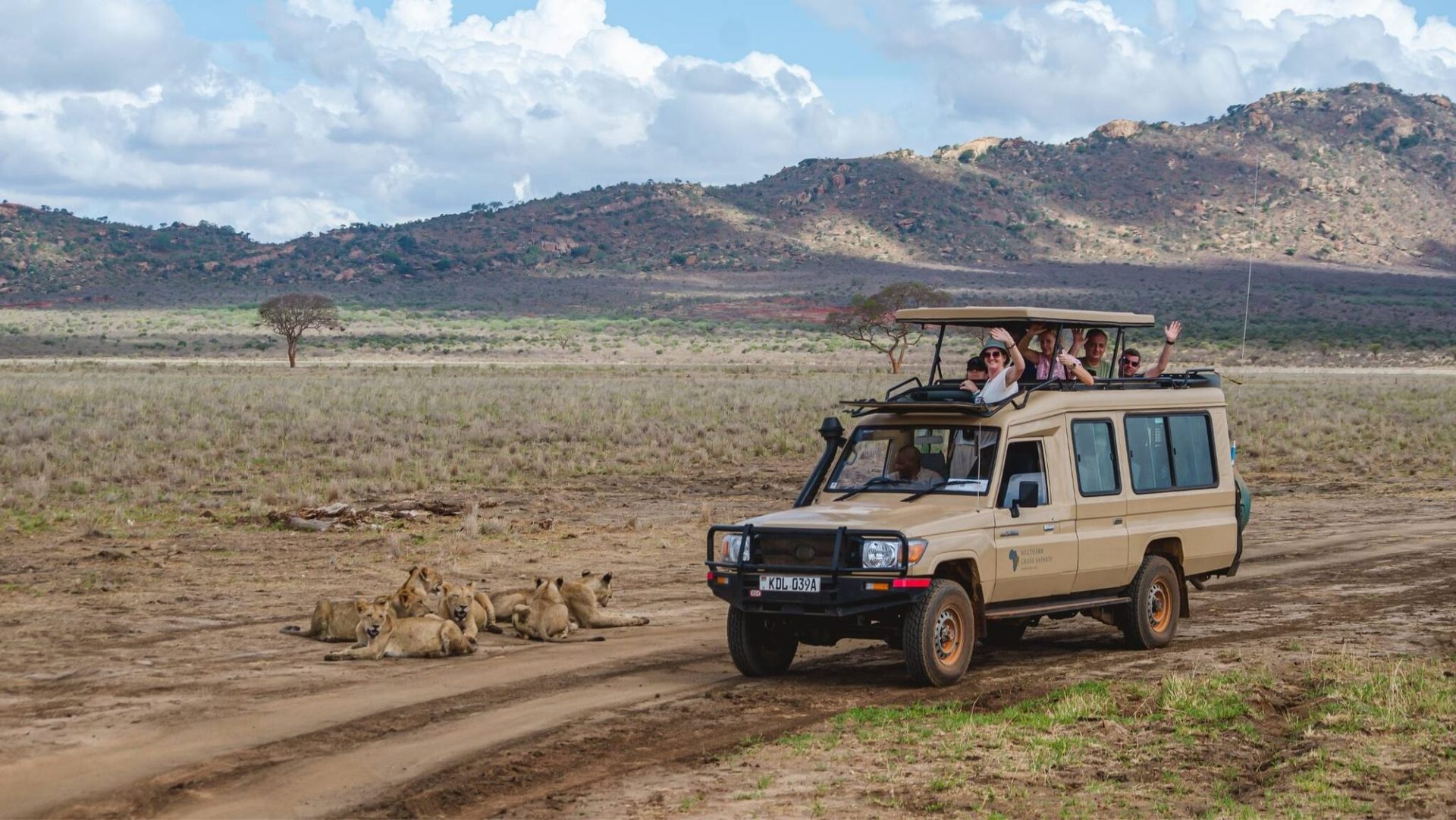
If you only ever do one safari in your life, do it here. Lion prides own the open plains year-round, cheetahs hunt in daylight, and leopards lounge in acacia trees like they own the place. From July to October, the Great Migration arrives, and the whole ecosystem shifts up a gear. Two or three days here with a good guide will exceed whatever you imagined.
Pro Tip: The private conservancies bordering the main reserve (Mara North, Olare Motorogi, Naboisho) are the best places to stay — exclusive access, off-road driving, night drives, and walking safaris all permitted.
Best for: First-timers, the Great Migration, big cats, private conservancy access.
2. Amboseli National Park
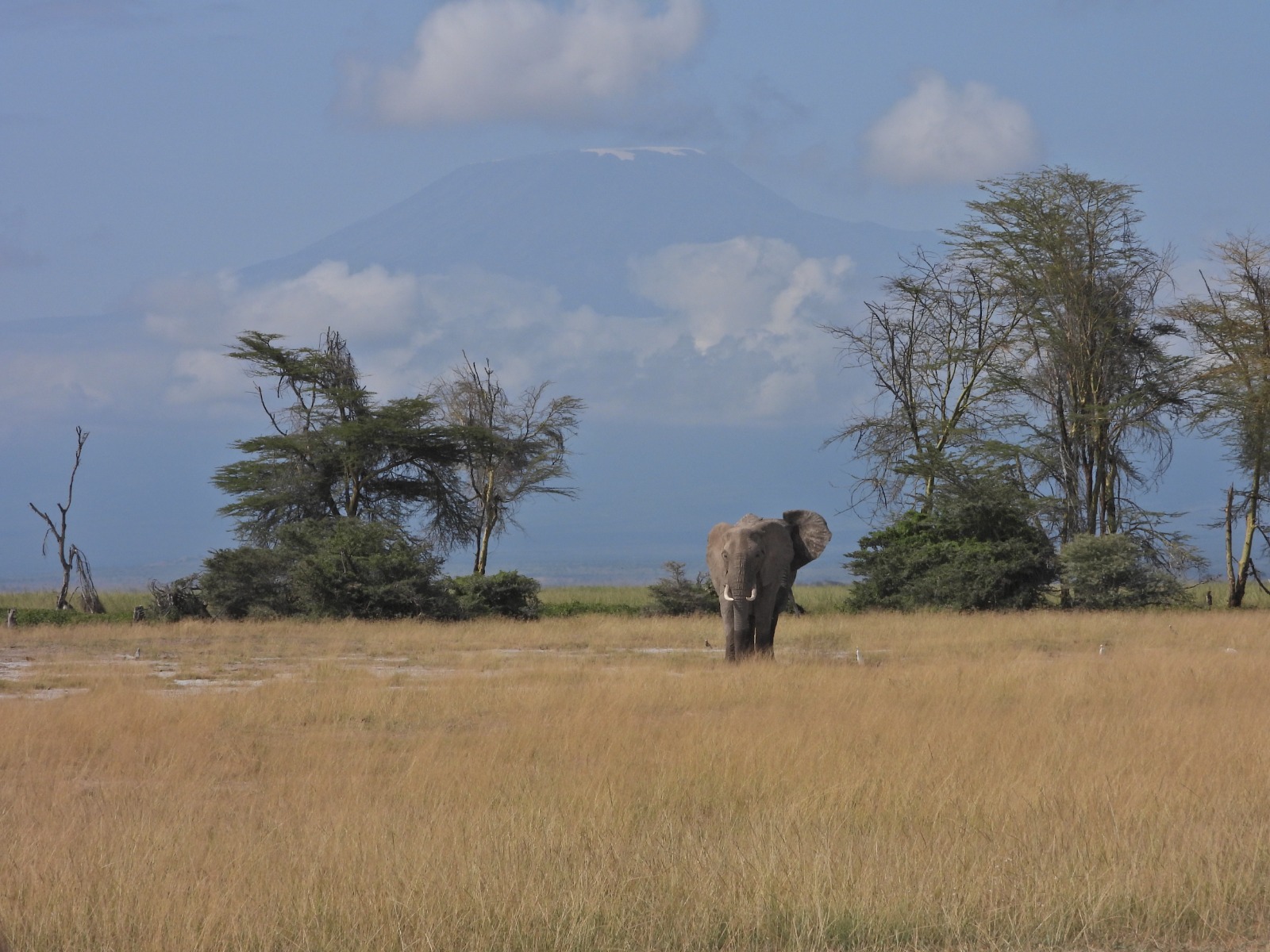
Amboseli has one image that defines it: large elephant herds on open plains, Mount Kilimanjaro filling the sky behind them. The park is smaller and more relaxed than the Mara, with easy sightings across open terrain and elephant herds among the most studied — and calmest — in Africa. Pairs perfectly with the Mara on a classic 7-day itinerary.
Best for: Elephants, Kilimanjaro views, easy pairing with the Maasai Mara.
3. Samburu National Reserve
Samburu is where Kenya stops feeling familiar. Three hours north, the landscape is dry, remote, and dramatically different from the southern parks. The Samburu Special Five — reticulated giraffe, Grevy's zebra, gerenuk, Beisa oryx, and Somali ostrich — are found here and almost nowhere else in Kenya.
Ideal for: Rare and endemic species, adding genuine variety to a southern-parks itinerary.
4. Tsavo National Parks (East & West)
Tsavo is Kenya's best-kept secret — over 22,000 square kilometers of wilderness with almost no one in it. Tsavo East offers vast plains and red-dusted elephant herds; Tsavo West brings ancient lava fields, dense bush, and Mzima Springs' underwater viewing chamber.
Ideal for: Solitude, scale, red elephants, combining with a Mombasa or Diani beach stay.
5. Lake Nakuru National Park
Small park, outsized impact. The shallow alkaline lake attracts up to two million flamingos on a good day, and the park is one of Kenya's most reliable spots for both black and white rhinos. Works best as a one-night stop en route to or from the Maasai Mara.
Ideal for: Flamingos, rhino sightings, birdwatching, Rift Valley scenery.
What to Expect on a Kenya Safari
Many first-timers underestimate just how different a real Kenya safari feels from anything they've experienced before. Here's a clear, honest look at what your days will actually be like.
A Typical Safari Day
- 5:30 AM – Wake-up call. Early, but worth it — the bush is alive, and predators are most active.
- 6:00 AM – Morning game drive, coffee in hand, following fresh tracks and radio calls.
- 6:00 – 10:30 AM – Prime game viewing time.
- 10:30 AM – Back to camp for a full hot breakfast.
- Midday – Relax at camp: read, nap, swim, or join a short guided bush walk.
- 3:30 – 4:00 PM – Afternoon game drive, often ending with a sundowner over the savanna.
- 7:30 PM – Dinner under the stars or around a fire — one of the highlights of every trip.
Where to Stay: Camps vs. Lodges
Tented Camps — Elevated canvas tents with proper beds, en-suite bathrooms, and private decks over the bush. Smaller (8–16 units), meaning more attentive service and genuine exclusivity. Best for immersion and travelers who want to feel in the wilderness.
Safari Lodges — Built from stone or wood, more permanent and hotel-like, often with pools, multiple dining areas, and spa treatments. Best for travelers who want high comfort alongside the wildlife.
Many itineraries combine both — a tented camp in the Maasai Mara, a lodge in Amboseli — and that variety adds to the experience.
National Parks vs. Private Conservancies
Camps inside Kenya's private conservancies (particularly around the Maasai Mara) operate under different rules than the national reserve: strictly controlled guest numbers, off-road driving, night game drives, and guided walking safaris. If your budget allows, at least one conservancy night is worth every extra dollar.
Packing List for a Kenya Safari
Pack light — many internal flights have 15kg (33lb) soft-bag limits. Use neutral colors (khaki, beige, olive, brown) and layer well.
Clothing (for 7–10 days, with laundry service):
- 3–4 long-sleeve shirts (sun/insect protection)
- 2–3 pairs of quick-dry pants/shorts
- Fleece or light jacket for mornings/evenings
- Comfortable walking shoes/sneakers + sandals for camp
- Hat, sunglasses, scarf/buff (for dust)
Essentials:
- Binoculars, camera with zoom + extra batteries/memory cards
- High-SPF sunscreen, lip balm, insect repellent
- Reusable water bottle, headlamp/flashlight
- Malaria meds, basic first-aid, personal prescriptions, hand sanitizer
- Passport copies, travel insurance docs, adapters (UK-style plugs common)
- Swimwear if pools are available
Avoid bright whites, heavy luggage, and strong perfumes — many camps provide toiletries and laundry, so you can travel lighter than you think.