
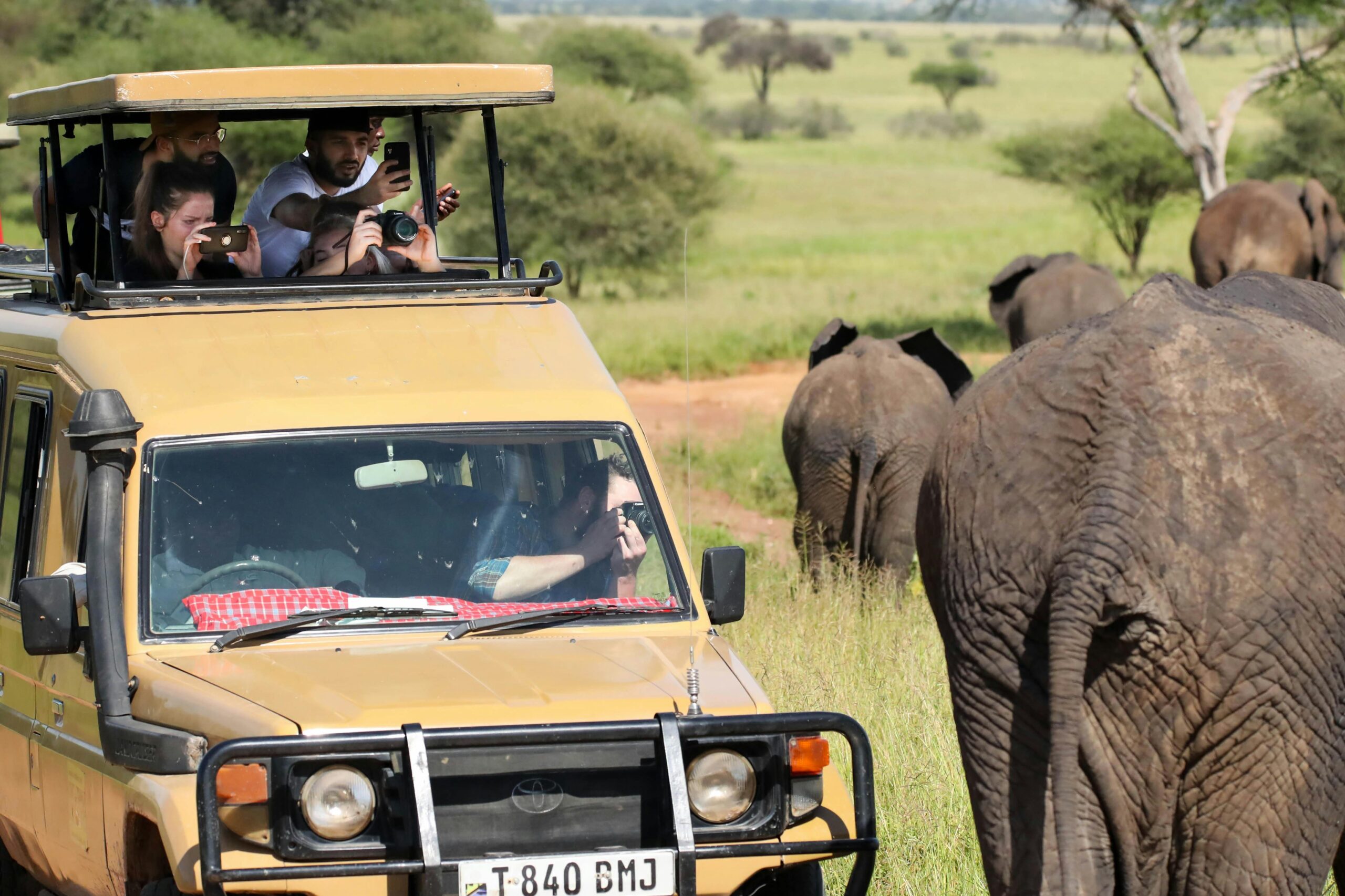
Spanning across 1,510 square kilometers in southwestern Kenya and bordering Tanzania’s Serengeti, Maasai Mara National Reserve is one of the most popular African safari destinations in the world. The park features rolling plains, acacia woodlands, and the life-giving Mara River – which hosts the famous Big Five (lion, leopard, elephant, buffalo, and rhino) and serves as a critical stage for the Great Wildebeest Migration, where over 1.5 million wildebeest, zebras, and gazelles move in search of fresh grazing.
And while every year, many travelers ask the same question: when is the best time to go, the truth is the Mara rewards visitors in every season, but each month brings its own rhythm of weather, wildlife movements, and atmosphere.
The best time to visit Maasai Mara always depends on your travel interests, whether it’s witnessing the thunderous river crossings, spotting adorable newborns during calving season, or enjoying great value with fewer crowds during the rains. Our guide below walks you through the year, month by month, so you can match the experience to what matters most to you.

Understanding the Mara’s Seasons at a Glance
Maasai Mara experiences two major seasons: the rainy season, which runs from March to May and from November to December. These seasons offer vibrant greenery and excellent birding, but can make wildlife viewing harder amidst the tall grass.
The dry season, on the other hand, runs from June to October, and late December to February, offering the best conditions for travel and wildlife viewing as animals concentrate around water sources.
Temperatures in the Mara remain generally pleasant throughout the year, thanks to the reserve’s high altitude (between 1,500 and 1,900m above sea level). Average daytime temperatures typically range between 24 – 28°C (75 – 82°F), while early mornings and nights can be cool, often dropping to around 10 – 14°C (50 – 57°F). The coolest conditions are usually experienced between June and August, particularly at dawn during game drives, while the warmest months are from January to March, though temperatures rarely become uncomfortably hot. Pack light layers to stay comfortable during early morning and evening activities.
The high tourism season aligns with the dry months and the Great Wildebeest Migration, so booking in advance is essential. But no matter when you visit, the Mara’s strong resident wildlife populations ensure rewarding safaris.
The Best Time to Visit Maasai Mara: Month-by-Month
January – February
These months are warm and mostly dry in the Maasai Mara National Reserve, with short grass, excellent visibility, and average daytime temperatures of 27–28°C, followed by cool nights. While the main wildebeest calving season occurs on the Ndutu Plains in southern Tanzania, the Mara offers reliable Big Five sightings, strong predator activity near riverine areas, and light crowds that allow for relaxed, high-quality game drives and photography.
March
As March arrives in Maasai Mara, early rains begin to green the landscape, with occasional afternoon showers and warm temperatures of 26–27°C. Migratory birds arrive in numbers, resident game remains active across the central plains, and predator sightings—especially lions and leopards—stay strong near water sources. With the start of the shoulder (low) season, March offers good-value accommodation and a refreshingly uncrowded safari experience.
April – May
April and May bring the long rains to the Mara, turning the landscape lush and green, with April typically the wettest month and dramatic skies overhead. Birdlife is abundant with migratory species present, and resident wildlife remains active, though taller grass can make sightings more selective. Wildlife is common along riverine areas and the central plains. This period offers the lowest crowds and best value of the year for a quiet, immersive safari experience.
June
June marks the start of the dry season in the Maasai Mara, as vegetation begins to thin and wildlife concentrates around key water sources such as the Mara and Talek Rivers. Visibility improves, temperatures remain pleasant, and game viewing becomes increasingly rewarding with strong Big Five encounters and rising predator activity. Early migratory herds may begin approaching through the northern section, while the Mara itself offers a balance of excellent wildlife viewing and moderate visitor numbers.
July – October (High tourism Season)
This period is the most popular time to visit Masai Mara. During this period, dry, sunny days and cool mornings set the stage for ideal safari conditions during high season.
- July: The first large migratory herds arrive from the Serengeti, gathering along the Mara River, where the earliest dramatic crossings begin.
- August – September: The peak spectacle unfolds, with massive herds spread across the northern and central plains and frequent crossings at key points of the Mara River, closely followed by lions, hyenas, leopards, and crocodiles.
- October: Excellent sightings continue as some herds remain in the northern and western sectors, often with slightly fewer visitors and more relaxed viewing conditions.
Wildlife concentrates around rivers and waterholes, making this the prime window for intense, high-density safari encounters.
November – December
In November and December, the short rains return to the Mara, turning the plains green with scattered showers. Resident wildlife stays active with good sightings of young animals and birdlife, while predators remain strong around rivers and waterholes. After the migration peak, crowds ease in November, though December becomes busier over the holidays, offering a mix of quiet safari days and festive-season game viewing.

Best Time for the Great Migration in Maasai Mara
For the best chance to experience the Great Migration’s iconic Mara River Crossings and vast herds sweeping across the plains in the Mara, target July through October, with August and September usually delivering the most consistent predator-prey drama.
However, timing can shift slightly with rainfall, so extra days in your itinerary may help. Prime viewing spots in the reserve lie along the northern Mara River, where chaotic crossings create raw, powerful scenes of survival. This high tourism season is bucket-list material – the best book quality camps near the river fill up fast, so book early for the best positions.
Best Time for Wildlife Viewing in Maasai Mara
While the dry season (June – October) generally offers the easiest and most reliable wildlife viewing due to concentrated animals and shorter grass, the Mara rewards visitors year-round.
- Best overall time for wildlife viewing (June – October) when wildlife concentration around water sources is high, making them easier to spot.
- Best time for the calving season – (January – February).
- Best for birding, lush scenery, and photography – (March – May and November – December).
The reserve’s high density of resident populations of lions, elephants, leopards, and more ensures strong sightings even outside migration months. Many private conservancies adjacent to the national reserve often provide even better, less crowded experiences with added activities like walking safaris.
What We Always Tell Our Travelers to Consider When Planning to Go to Masai Mara
How Long to Stay: Allow at least 3 – 4 nights, ideally 4 – 5, to truly absorb the rhythm of the bush.
Costs: Peak season (July – October) is more expensive. Choose all-inclusive packages that cover accommodation, meals, game drives, and transfers to help control costs. And factor in park fees, which are higher during high season.
Where to Stay: Accommodation in Masai Mara ranges from basic camps to luxury tented lodges. Private conservancies often offer better wildlife access and a range of activities like walking safaris and night drives, compared to the main reserve.
Activities Beyond Game Drives: Hot air balloon safaris, bush breakfasts, walking safaris (only offered in private conservancies), Maasai cultural visits, and night drives in conservancies.
What to Pack:
- Neutral-colored clothing (khaki, green, beige)
- Layers for cold mornings/evenings (long trousers, warm sweaters…)
- A pair of binoculars and a good camera, plus extra batteries
- Sunscreen, a sunhat, insect repellent, and toiletries
- A lightweight rain jacket (even in the dry season)
- A reusable water bottle and power bank
Health & Safety: Consult a doctor about malaria prophylaxis and yellow fever vaccination. Purchase comprehensive travel insurance that includes medical evacuation.
Other Practical Tips: While road trips to Mara can be adventurous and scenic, a domestic flight from Nairobi or Wilson Airport to one of the Mara’s airstrips is often the most convenient choice, saving hours of driving and leaving you fresher for game drives.
When planning your Masai Mara safari, work with reputable, independent operators who know the reserve intimately; tailor your itinerary ideally to your interests, secure the best guides, and handle logistics smoothly.
Maasai Mara National Reserve has a way of capturing your heart from the very first drive. Whether you come for the raw drama of the migration, enjoy classic wildlife sightings, or the serene beauty of its vast open plain, the experience stays with you long after you leave.
Ready to plan your Masai Mara safari? Let us help you design a safari that perfectly matches your dreams, budget, and travel style. The plains are calling, and your unforgettable Mara adventure is waiting.