

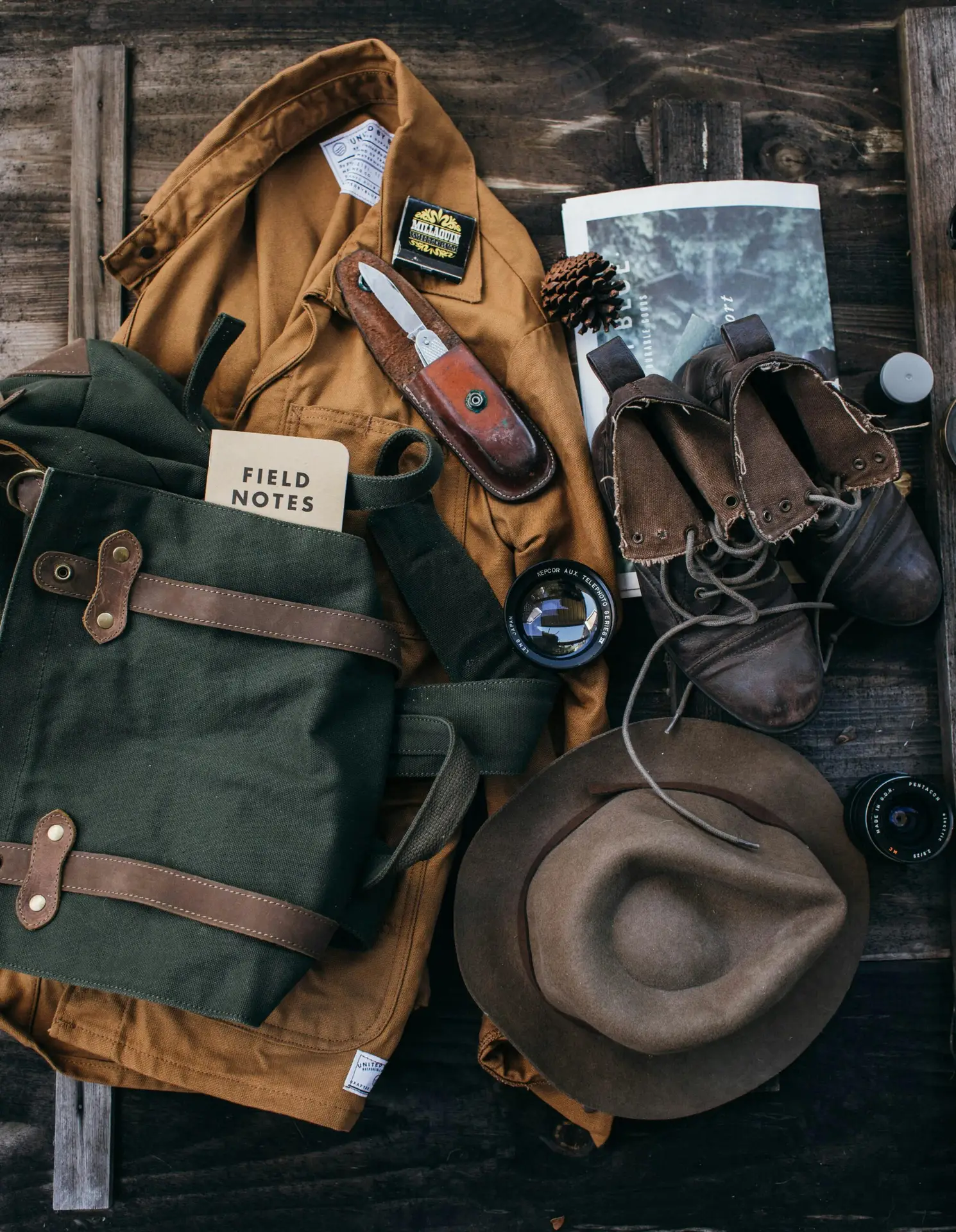
Planning an African safari in 2026? An African safari ranks among life’s most transformative adventures – a chance to witness the raw beauty of the wild. Imagine watching the Great Migration in Kenya or Tanzania, tracking mountain gorillas in Uganda or Rwanda, or spotting the Big Five in Botswana’s Okavango Delta.
But whether it’s your first adventure or a return journey, packing wisely for your African safari is one of the biggest hacks to transforming your experience from good to unforgettable. In 2026, with evolving travel norms, sustainable practices, and refined lodge offerings, preparation remains key, and the right gear ensures comfort amid dust, temperature swings, and remote wilderness.
Furthermore, with stricter sustainability rules (like plastic bans), evolving bush flight limits, and better eco-lodges, smart packing is more important than ever. This ultimate African safari packing list draws from years of hands-on experience guiding travelers across Africa. Let’s dive in so you can pack like a pro and create memories that last a lifetime.
Why Proper Packing Matters for Your African Safari
African safari conditions are unique. Expect chilly mornings at dawn during game drives (with temperatures ranging between 5 – 15°C/41 – 59°F), hot midday sun, sudden rains, constant dust, and variable terrain. Proper packing prevents discomfort and maximizes your overall experience.
Here’s why this African safari packing list is so important:
Strict bush flight luggage limits
Small planes used for transfers in safari areas have tight weight restrictions: usually 15kg (33lbs) total in East Africa and around 20kg (44lbs) in Southern Africa, including your carry-on. Only soft-sided duffels fit in the aircraft holds, so choosing the right bag avoids extra fees or last-minute repacking stress.
Dramatic temperature swings and weather changes
Weather patterns are quite unpredictable – mornings in open safari vehicles can feel freezing, while afternoons turn very hot, especially during the dry season. You need layers and the right outerwear to keep you comfortable throughout the day without needing to change clothes constantly.
Comfort and safety on rough terrain
Long game drives, possible bush walks, and dusty conditions can cause blisters, sunburn, or insect bites. Essential items like quality footwear, sun protection, and insect repellent protect you so minor issues don’t ruin your experience.
Better wildlife viewing
Wearing the right colors helps you blend into the environment, creating a safe environment for both you and wildlife. Neutral tones allow closer, more natural animal encounters, while certain colors (like bright white, black, or blue) can scare wildlife or attract tsetse flies.
Sustainability and local regulations
Many African countries, including Kenya and Rwanda, have banned single-use plastics. Packing reusable items shows respect for the environment and local rules while reducing your waste in remote areas.
Practicality with lodge services
Most safari lodges offer daily laundry service. This means you only need a compact wardrobe for 7–10 days instead of packing for the entire trip, making your bags lighter and transfers easier.
Understanding the packing list for an African safari and why it matters helps you avoid the common mistakes of overpacking or forgetting essential items.
Essential Packing List for an African Safari: Must-Have Items
Luggage and Organization for Safari Flights
- A Main bag: Soft-sided compressible duffel (70–90L, e.g., Patagonia Black Hole). Aim for max dimensions around 28″ x 13″ x 13″.
- A Daypack: A lightweight (20 – 30L) water-resistant backpack for game drives, gorilla trekking, and hikes.
- Packing tools: Compression cubes, laundry bag, reusable silicone bags, digital luggage scale, and AirTags.
Clothing – Depending on the Duration of Your African Safari
Tip: Stick to quick-dry, breathable, UPF fabrics in earth tones (khaki, olive green, beige, tan, sand, etc.)
- 3–4 short-sleeve shirts or T-shirts.
- 3–4 long-sleeve shirts (for sun/insect protection and chilly evenings).
- 2–3 convertible/zip-off pants or lightweight hiking trousers.
- 1–2 pairs of shorts
- A lightweight fleece or packable puffer jacket.
- A thin waterproof/breathable rain jacket or windbreaker.
- 8–10 pairs of underwear & socks
- Swimsuit, pyjamas, lightweight scarf or buff (dust/wind protection).
Footwear for Your African Safari:
- Broken-in waterproof hiking boots or sturdy walking shoes with excellent grip and ankle support.
- Comfortable camp sandals or closed-toe shoes.
- Optional: Gaiters or gardening gloves for muddy primate areas.
Sun, Insect & Skin Protection on Your African Safari:
- A wide-brimmed hat with a neck flap and a cap.
- Polarized UV400 sunglasses.
- SPF 50+ sunscreen, lip balm with SPF, and after-sun lotion.
- DEET 30%+ or picaridin insect repellent.
- A reusable water bottle (filtered water provided at lodges).
- Biodegradable wipes, hand sanitizer.
Health, Documents & Other Safari Essentials:
- Any personal prescription medications (extras)
- A basic first-aid kit (well-equipped with blister plasters, anti-diarrheal, antihistamines, pain relief).
- Vaccinations: Yellow fever (often required), Hepatitis A, Typhoid; malaria prophylaxis essential. Visit a travel clinic or consult a reputable tour operator for more.
- A valid passport (6+ months validity), visas/eTA, comprehensive travel insurance with medical evacuation, credit cards (USD widely accepted), and cash.
- A pair of binoculars (8×42 recommended), headlamp, power bank, universal adapter (Type D/M), and phone with offline maps.
Photography Gear
- A good camera with a 100-400 mm+ zoom lens
- Extra batteries/memory cards
- Dust/rain covers
- A beanbag or monopod.
Other Essentials: Small repair kit, journal, eco-friendly solid toiletries, earplugs, neck gaiter/buff.
Specialized African Safari Packing Lists
Different African safari styles require tailored gear:
Packing List for African Primate Safari (Gorilla & Chimp Trekking)
Rainforest treks in Uganda, Rwanda, and the Democratic Republic of Congo present unique challenges, such as muddy trails, frequent rain, stinging nettles, thorny vegetation, and steep high-altitude terrain. Proper preparation ensures comfort and safety during these unforgettable primate encounters.
- Extra pairs of quick-dry long pants and long-sleeve shirts for full coverage and comfort.
- Full waterproof rain jacket and rain pants set (essential for sudden downpours).
- Sturdy Gore-Tex or waterproof hiking boots, gaiters, and multiple extra socks (mud is inevitable).
- Lightweight gardening-style gloves to protect against nettles and thorns.
- Face masks (required for close gorilla viewing)
- A collapsible trekking pole
- A dry lightweight daypack for electronics
- Warm mid-layers for high-altitude chill
- A big reusable water bottle (1-2 litres) and high-energy snacks.
Pro Tip: Many luxury lodges provide gaiters, trekking poles, or ponchos — confirm with your tour operator before packing.
Packing List for African Photography Safari
Photography safaris demand reliable gear that can withstand dust, vibration, and changing light conditions while allowing you to capture breathtaking wildlife moments.
- Dual camera bodies (one as backup), telephoto zoom lens (100-400mm or longer), wide-angle lens, and polarizing filters.
- A pair of binoculars, extra batteries, chargers, high-capacity memory cards, rain covers, and dust-proof protective bags.
- Laptop or portable SSD for daily backups
- Consider a photo vest or neutral-colored clothing with ample secure pockets for easy access.
Packing List for an African Hiking and Mountain Climbing Safari
Many travelers combine classic wildlife safaris with serious hiking or mountain climbing adventures, such as summiting Mount Kilimanjaro, Mount Kenya, the Rwenzori Mountains, or multi-day trekking in the Drakensberg or Simien Mountains. These experiences require more technical and layered gear due to high altitude, unpredictable weather, and strenuous physical demands.
- Robust, well-broken-in waterproof hiking boots or mountaineering boots with strong ankle support and excellent grip.
- Trekking poles (highly recommended for stability on steep trails).
- Moisture-wicking base layers, insulating mid-layers (fleece or softshell), and a warm, synthetic puffer jacket for high-altitude cold.
- Waterproof and windproof outer shell jacket and pants.
- Gaiters, multiple pairs of hiking socks (including liner socks), and a warm beanie or balaclava plus gloves.
- A lightweight daypack (30–40L) with a hydration bladder for day hikes, plus a larger trekking backpack if doing multi-day climbs.
- A headlamp with extra batteries,
- A comprehensive blister care kit, high-energy snacks, and electrolyte packets
- A pair of sunglasses with UV protection, sunscreen, insect repellent, and a buff or neck gaiter for dust and wind.
- Sleeping bag liner (for hut or tented climbs) and altitude sickness medication if recommended by your doctor.
Packing List for African Birding Safari
Birding safaris reward early starts and patience, calling for specialized optics and subtle clothing to maximize sightings.
- High-quality binoculars (8×42 or 10×42 recommended)
- A spotting scope with a tripod (for dedicated birders).
- Field guide or eBird app on your phone, plus extra memory cards for documenting rare species.
- Muted earthy tones, long sleeves, and pants for insect protection in wetlands and woodlands
- A neck gaiter or buff, and a comfortable, wide-brimmed hat.
Best Expert Tips for Your 2026 African Safari Packing List
Seasonal Packing Tips
- Dry Season (May – October): Focus on warm clothing for chilly mornings and evenings, plus good dust protection. A warm sweater and gaiters are essential.
- Wet/Green Season (November – May): Prioritize high-quality rain gear, quick-drying clothing, and waterproof bags. The landscapes are lush and beautiful, but daytime showers are common.
Sustainability & Pro Packing Hacks:
- Roll clothes, use compression cubes, and break in boots beforehand.
- Pack a full travel-day outfit plus one change in carry-on.
- Minimize single-use plastics; support conservation-focused lodges.
- For families: Pack extra kid-friendly layers, familiar snacks, small binoculars, and entertainment for downtime. Consider slightly warmer options for children on early morning drives.
Frequently Asked Questions (FAQ) – African Safari Packing List
What is the most important item on an African safari packing list?
Neutral-colored clothing, sturdy footwear, binoculars, and soft-sided luggage are top priorities.
What colors should I wear on safari?
Khaki, olive, beige, and muted earth tones. Avoid white, black, blue, bright colors, and camouflage.
How much luggage is allowed on African safari flights?
Usually, 15kg total in East Africa and 20kg in Southern Africa, in soft-sided bags only.
Do I need special gear for gorilla trekking?
Yes — sturdy waterproof boots, rain gear, gaiters, gloves, and quick-dry clothing are essential.
Is malaria medication necessary?
Yes, in most safari areas. Combine with repellents and long sleeves at dawn/dusk.
Conclusion
This ultimate 2026 African safari packing list prepares you for a safe, comfortable, and immersive adventure. With the right clothing, protective gear, soft luggage, and specialized items tailored to your itinerary, you’ll focus entirely on the magic of the African bush, from dawn lion sightings and close gorilla encounters to encounters with massive elephant herds.
The wild rewards those who arrive prepared. Pack smart, travel light, and return home with lifelong memories. Contact our expert team today to customize your perfect 2026 African safari experience.


